


THYROMED 50 THYROID HORMONE Deus Medical
🔥 15% EXTRA DISCOUNT FOR DEUS MEDICAL🔥
 Ask us anything on Telegram!
 - Brand: Deus Medical
Shipping
$35 flat rate
Payment Methods
Crypto, Venmo, Zelle, Credit Card, WU
Secure Shopping
Your data is protected with the highest security standards.
⚠️ WARNING: Potential Risks of Anabolic Steroids
Anabolic steroids can have significant effects on the body and should only be used under proper guidance. Misuse or unsupervised use can lead to health complications. These may include hormonal imbalances, liver strain, cardiovascular issues, psychological effects, and more.
If you choose to use anabolic steroids, it is essential to do so responsibly and only obtain them from trusted, verified sources.
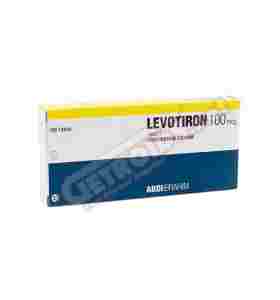
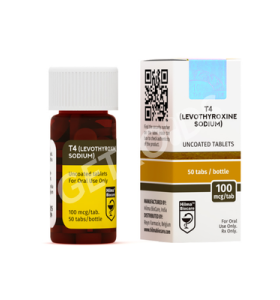
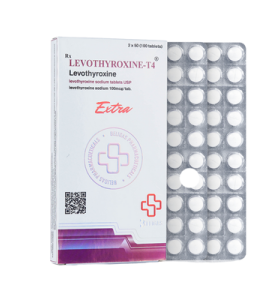
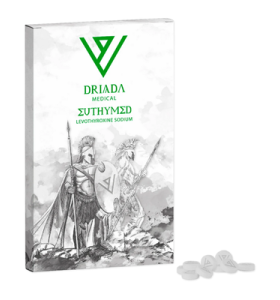
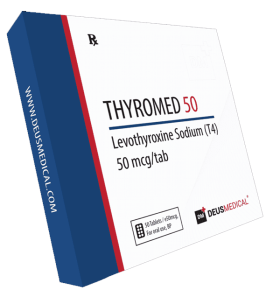
THYROMED 50 (Levothyroxine Sodium T4): Thyroid Hormone Support
Active Substance: Levothyroxine Sodium (T4, 50 mcg/tab)
Manufacturer: Deus Medical
Pack: 1 Box of 2x 25 Tablets (50 mcg per Tablet)
Form: Oral
What Is Levothyroxine Sodium (T4)?
Levothyroxine Sodium (THYROMED 50) is a synthetic version of Thyroxine (T4), the hormone naturally produced by the thyroid gland. It is classified as a thyroid agent and is the standard medication used to treat hypothyroidism (low thyroid hormone levels).
T4 is largely considered the inactive precursor hormone. Once administered, the body converts it into the active hormone, Triiodothyronine (T3), which regulates the body's energy expenditure, metabolism, and protein synthesis.
Core Functions and Mechanism
Hormone Replacement: Replaces the hormone the thyroid gland normally produces, regulating energy and metabolism.
Metabolic Support: Once converted to T3, it increases the turnover of various endogenous macromolecules (protein, fat) by increasing their synthesis and degradation, affecting the overall metabolic rate.
Synergistic Stacking: T4 is often stacked with HGH (Human Growth Hormone) because thyroid hormones are essential for GH to potentiate bone growth and anabolic effects. HGH use can also sometimes suppress natural T4 to T3 conversion, making supplementation necessary.
Usage and Dosage Protocols (Stacking)
Levothyroxine dosing requires precision and must be done under medical guidance, especially when used outside of hormone replacement therapy.
Replacement Dosage (General): The average adult maintenance dose for replacement is generally 100 mcg to 200 mcg daily, though starting doses are lower.
Bodybuilding/Performance Misuse: Misuse dosages often fall in the range of 50 mcg to 200 mcg daily to support thyroid function and metabolism.
Administration: Must be taken as a single daily dose, preferably on an empty stomach, 30 to 60 minutes before breakfast, as food and certain supplements can interfere with absorption.
Warning: The FDA warns that thyroid hormones should not be used for the treatment of obesity or for weight loss in euthyroid (normal thyroid function) patients.
Side Effects and Warnings (Overdosage Risk)
Side effects are primarily those of hyperthyroidism (T4 overdosage), which accelerates all bodily functions.
Cardiovascular Risks: Overdosing can cause serious, even life-threatening, manifestations of toxicity, including arrhythmias (abnormal heart rhythms), palpitations, increased pulse, and chest pain. The risk is higher in older patients.
Bone Density: Chronic overdosing with T4 can increase the risk of osteoporosis and fractures by increasing bone turnover.
Common Hyperthyroid Symptoms: Nervousness, anxiety, insomnia, tremors, heat intolerance, excessive sweating, increased appetite, and modest weight loss.
Precautions: Patients should never adjust their dose without medical guidance and should monitor for symptoms of hyperthyroidism.
Frequently Asked Questions (FAQs)
1. What is the fundamental difference between T4 (Levothyroxine) and T3 (Cytomel)?
T4 (Levothyroxine): Is the inactive precursor hormone. The body converts it into the active T3 as needed. It has a long half-life, providing smooth, stable hormone levels.
T3 (Cytomel): Is the active hormone that directly impacts metabolism. It has a short half-life and causes rapid metabolic spikes, often making it more potent for immediate fat loss but riskier.
2. Why is T4 stacked with Growth Hormone (HGH)?
HGH use can sometimes suppress the natural conversion of T4 to T3 in the body, potentially leading to a mild hypothyroid state. Stacking T4 ensures adequate thyroid hormone levels are maintained, which is necessary for HGH to fully exert its anabolic and lipolytic effects.
3. Will taking T4 (Levothyroxine) cause significant weight loss in a healthy person?
No. In individuals with healthy thyroid function (euthyroid), doses of T4 within the normal physiological range are ineffective for weight reduction. The modest weight loss reported in hypothyroid patients is usually due to the loss of retained water when their hormone levels are corrected. T4 abuse for weight loss is dangerous due to severe cardiovascular risks.
4. What is the proper way to take Levothyroxine Sodium?
It must be taken once daily, on an empty stomach, 30 to 60 minutes before breakfast. This timing is crucial because food, coffee, and certain supplements (like calcium or iron) can significantly impair the absorption of the T4 tablet, leading to unstable blood hormone levels.