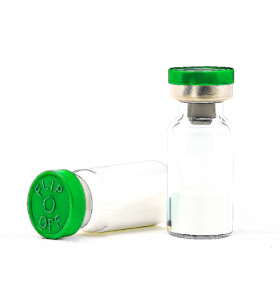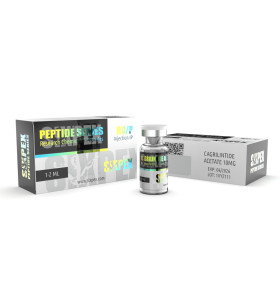



Buy Genuine Cagrilintide for Sale: Fast USA Domestic Shipping
Cagrilintide
Cagrilintide is an investigational drug developed as a long-acting analog of the Amylin hormone. Amylin is a hormone co-secreted with insulin by the pancreas, which plays a role in controlling appetite, primarily by increasing the feeling of satiety (fullness). Cagrilintide acts through amylin receptors and calcitonin receptors to enhance satiety and reduce appetite.
It is mostly being studied in combination with the already approved GLP-1 agonist, Semaglutide (under the name CagriSema), for the treatment of obesity and Type 2 diabetes.
What is Cagrilintide?
Cagrilintide is a synthetically produced, long-acting peptide that mimics the action of the naturally occurring amylin hormone. Its mechanism of action relies on:
Amylin Analog Effect: It activates amylin receptors in the brain, increasing the feeling of fullness and slowing down gastric emptying. This leads to a reduced food intake.
Potential Calcitonin Receptor Effect: Some reports suggest that amylin analogs may also affect calcitonin receptors, which could play a role in appetite and bone metabolism.
Combination with Semaglutide (CagriSema): When Cagrilintide's appetite-suppressing mechanism is combined with the metabolic effects of Semaglutide (a GLP-1 agonist), it is aimed at achieving higher weight loss rates compared to monotherapies.
What are its Uses?
The primary research and potential uses for Cagrilintide, either alone or in combination, include:
Obesity Treatment: To achieve weight loss by significantly reducing appetite and food intake.
Type 2 Diabetes: To help improve blood sugar control.
Patients with GLP-1 Resistance: It offers the potential for a new solution for patients who do not fully respond to GLP-1 therapy.
Who Can Use It?
Like Mazdutide, Cagrilintide is not yet an approved and commercially available drug. It is in the clinical trial phase. If approved, it will likely be a prescription treatment for the following patients:
Patients with obesity defined by a high Body Mass Index (BMI), or overweight individuals with weight-related comorbidities (additional illnesses).
Patients with Type 2 Diabetes.
Warning: Such medications are prescribed by a doctor to manage serious medical conditions and should only be used under medical supervision.
Why Do Fitness and Bodybuilders Use It?
The interest in amylin analogs (like Cagrilintide) within the fitness and bodybuilding community is similar to Mazdutide and focuses on its powerful effect on satiety:
Maximum Fat Loss: The drug's effect of suppressing appetite and slowing gastric emptying makes it much easier to maintain the strict caloric deficit required, especially during pre-contest or cutting phases.
Diet Discipline: The constant hunger and food cravings felt during the challenging phases of bodybuilding diets become manageable, thus increasing diet adherence (compliance).
However, the "off-label" use of these drugs for performance-enhancing or aesthetic purposes is not legal and carries serious health risks.
What is the Best Combination?
Since Cagrilintide is a potent appetite suppressant, the ideal combinations to maximize its benefits are:
High-Protein, Calorie-Controlled Nutrition: Adequate protein intake is critical for preserving lean muscle mass during weight loss. The satiety provided by Cagrilintide makes adhering to this diet easier.
Regular Resistance and Cardio Training: Necessary to optimize weight loss and improve metabolic health (especially insulin sensitivity).
GLP-1 Agonists (e.g., Semaglutide): The most effective use of Cagrilintide, as indicated by clinical research, is in combination with a GLP-1 receptor agonist (CagriSema). This dual action targets both metabolic and appetite control mechanisms.
Frequently Asked Questions
1. When might Cagrilintide/Semaglutide (CagriSema) be approved?
CagriSema is a combination currently in Phase 3 clinical trials for the treatment of obesity and Type 2 diabetes. The approval process depends on the successful completion of these large-scale studies and the review of safety and efficacy data by regulatory bodies (FDA, EMA, etc.). There is no confirmed launch date yet.
2. What are the main side effects of Cagrilintide?
The most common side effects of Cagrilintide and other amylin analogs, similar to GLP-1 agonists, are related to the gastrointestinal (GI) system:
Nausea (most common)
Vomiting
Diarrhea or constipation
Abdominal discomfort
These side effects are generally seen when the dose is increased or in the first few weeks after starting treatment and may decrease over time.
3. Was Cagrilintide designed to reduce the nausea caused by Amylin?
Yes. The natural amylin hormone or older amylin analogs (e.g., Pramlintide) could sometimes cause significant nausea. Cagrilintide, a new long-acting amylin analog, is designed to provide the same benefits with lower doses and less frequent (weekly) injections, potentially improving gastrointestinal tolerability.
4. Is it more effective to use Cagrilintide alone or in combination?
Clinical studies show that Cagrilintide, when used in combination with Semaglutide (a GLP-1 agonist) as CagriSema, yields superior weight loss results compared to using Semaglutide or Cagrilintide alone. Therefore, combination therapy is considered a more effective approach for obesity management.