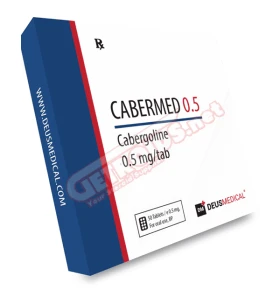
CABERMED 0.5 Deus Medical
🔥 15% EXTRA DISCOUNT FOR DEUS MEDICAL🔥

- Brand: Deus Medical
More Information
| Product Features | |
| ACTIVE HALF-LIFE | 63-68 hours |
| CLASSIFICATION | Prolactin inhibitor |
| DOSAGE | 1 mg/week |
| ACNE | No |
| WATER RETENTION | No |
| HBR | No |
| HEPATOTOXICITY | No |
| AROMATIZATION | No |
| MANUFACTURER | Deus medical |
| SUBSTANCE | Cabergoline |
Shipping
$35 flat rate
Payment Methods
Crypto, Venmo, Zelle, Credit Card, WU, MG
Secure Shopping
Your data is protected with the highest security standards.
⚠️ WARNING: Potential Risks of Anabolic Steroids
Anabolic steroids can have significant effects on the body and should only be used under proper guidance. Misuse or unsupervised use can lead to health complications. These may include hormonal imbalances, liver strain, cardiovascular issues, psychological effects, and more.
If you choose to use anabolic steroids, it is essential to do so responsibly and only obtain them from trusted, verified sources.
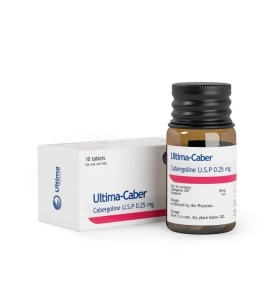
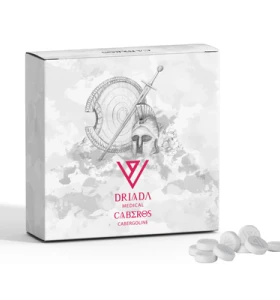
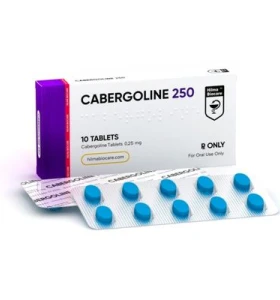
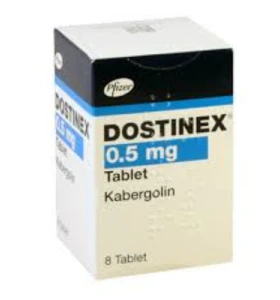
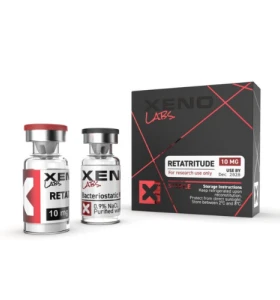
CABERMED 0.5 (Cabergoline): Essential Prolactin Control
Active Substance: Cabergoline (0.5 mg/tab)
Manufacturer: Deus Medical
Pack: 1 Box of 2x 25 Tablets (0.5 mg per Tablet)
Form: Oral
What Is Cabergoline (CABERMED 0.5)?
Cabergoline is a potent compound classified as a dopamine receptor agonist (specifically targeting the D2 and D3 receptors). It belongs to a group of drugs known as prolactin inhibitors.
Its primary physiological function is to suppress the release of the hormone Prolactin by the pituitary gland. Clinically, it is used to treat hyperprolactinemia (excessive prolactin) and to prevent lactation (milk production).
Critical Role in Steroid Cycles
For athletes and bodybuilders, Cabergoline is an essential ancillary component when cycling with 19-nor anabolic steroids such as Nandrolone (Deca-Durabolin, NPP) and Trenbolone. These compounds are notorious for significantly increasing prolactin levels.
Prevents Sexual Dysfunction: High prolactin levels, particularly when testosterone is suppressed, are the direct cause of severe libido loss and erectile dysfunction (often termed "Deca Dick" or "Tren Dick"). Cabergoline effectively suppresses prolactin to prevent these issues.
Mitigates Gynecomastia Risk: High prolactin can potentiate the effects of estrogen, leading to prolactin-induced gynecomastia. Controlling prolactin minimizes this risk.
Usage and Dosage Protocols
Cabergoline's long half-life means it requires very infrequent dosing.
Typical Performance Dosage: Due to its potency, the dosage is usually very low: 0.25 mg to 0.5 mg administered just one to two times per week.
Administration: It is best taken with a meal to minimize the risk of gastrointestinal upset.
Timing: Cabergoline is used proactively throughout the duration of any cycle involving Nandrolone or Trenbolone.
Side Effects and Management
Cabergoline is generally well-tolerated, but proper dosing is crucial to avoid severe side effects.
Common Side Effects: Nausea, dizziness, headache, and potential temporary drops in blood pressure (orthostatic hypotension).
Dosing Sensitivity: Using too high a dose can suppress prolactin too much, which can also be unhealthy and lead to side effects like mood changes or lethargy. Users should start low and increase only if symptoms warrant.
Frequently Asked Questions (FAQs)
1. Why is Cabergoline preferred over Bromocriptine for prolactin control?
Cabergoline is strongly preferred over older dopamine agonists like Bromocriptine primarily due to its significantly longer half-life and superior side effect profile. Cabergoline requires dosing only once or twice per week, whereas Bromocriptine often requires daily dosing and is associated with more severe gastrointestinal issues and nausea.
2. Is Cabergoline necessary if I only use Testosterone?
No, Cabergoline is not necessary if you only use Testosterone. Testosterone itself does not significantly raise prolactin levels. Cabergoline is strictly reserved for cycles involving 19-nor derivatives like Nandrolone (Deca-Durabolin) or Trenbolone, which are the primary culprits for prolactin elevation.
3. How do I know if my prolactin levels are too high?
The most common symptoms indicating high prolactin during a cycle include: severe libido suppression, difficulty achieving or maintaining an erection, and in rare cases, lactation (discharge from the nipples). Blood work is the most reliable method for confirming elevated prolactin levels, but symptoms often guide initial dosing.
4. What is the risk of crashing prolactin levels too low?
The risk of suppressing prolactin too low is significant. Prolactin is still essential for immune function and overall well-being. Side effects of overly low prolactin can include fatigue, irritability, mood changes, and reduced immune response. This is why low, infrequent dosing (0.5 mg 1–2 times per week) is critical.

Ask us anything on Telegram!