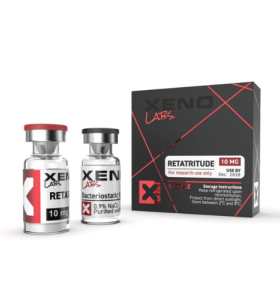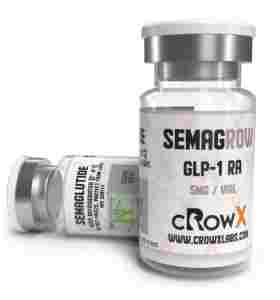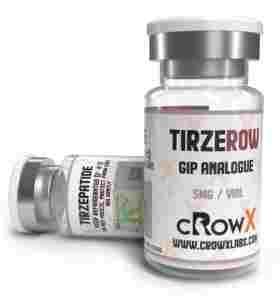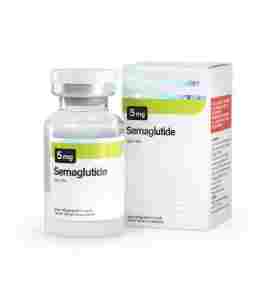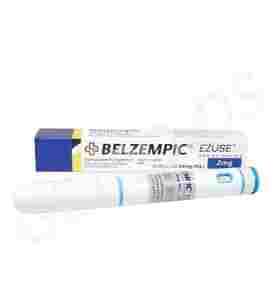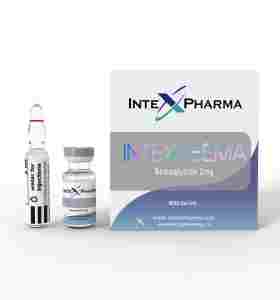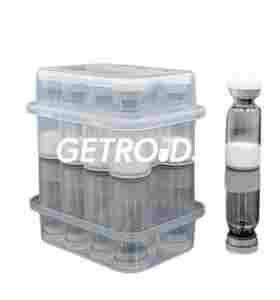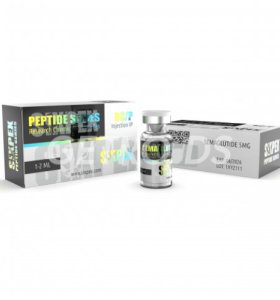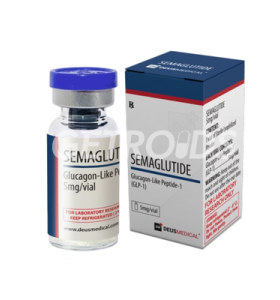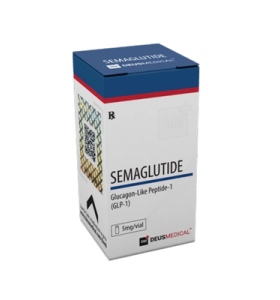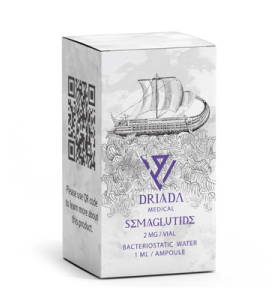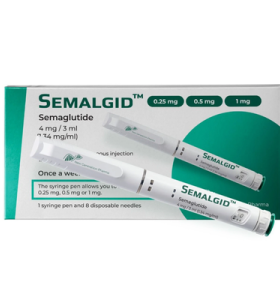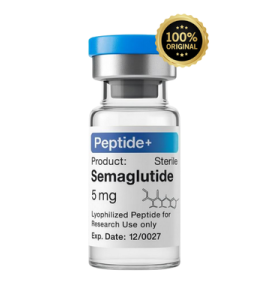



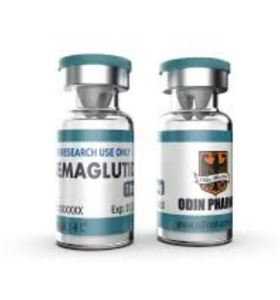
Semaglutide 10 mg Odin Pharma USA
 Ask us anything on Telegram!
 - Brand: Odin Pharma
Shipping Details
Your order will be shipped in 7-12 business days once we receive the payment.
Shipping
$35 flat rate
Payment Methods
Crypto, Venmo, Zelle, Credit Card, WU
Secure Shopping
Your data is protected with the highest security standards.
⚠️ WARNING: Potential Risks of Anabolic Steroids
Anabolic steroids can have significant effects on the body and should only be used under proper guidance. Misuse or unsupervised use can lead to health complications. These may include hormonal imbalances, liver strain, cardiovascular issues, psychological effects, and more.
If you choose to use anabolic steroids, it is essential to do so responsibly and only obtain them from trusted, verified sources.
SEMAGLUTIDE 10 mg Odin Pharma USA
Investigating the Potential of a High-Capacity GLP-1 Research Agent
Important Disclaimer: The information provided in this article is intended strictly for general informational and scientific review purposes. SEMAGLUTIDE 10 mg Odin Pharma USA is discussed here exclusively from the perspective of an investigational "research compound." This text does not constitute definitive medical advice, nor does it guarantee specific health outcomes. Always conduct your own comprehensive research and consult with a licensed medical professional or endocrinologist before considering the use of any investigational supplement or peptide.
What is SEMAGLUTIDE 10 mg Odin Pharma USA?
SEMAGLUTIDE 10 mg (supplied in a 1 Vial 10 mg / 10 ml format by Odin Pharma) is a high-capacity investigational agent frequently utilized in modern scientific studies concerning metabolic health.
Belonging to the GLP-1 receptor agonist class of compounds, it is structurally designed to mimic the naturally occurring hormone GLP-1 (glucagon-like peptide-1). Originally introduced into research environments for its potential in diabetes control, Semaglutide has recently gained worldwide scientific attention for its impressive hypothesized weight loss effects. (In commercial settings, these mechanisms are often studied under well-known brand names such as Ozempic for injectable forms and Wegovy for oral forms).
The Odin Pharma 10 mg / 10 ml presentation is specifically designed to allow researchers precision dosing flexibility and long-lasting supply for extended investigational protocols.
Mechanism of Action: How is SEMAGLUTIDE Hypothesized to Work?
Studies into the mechanism of action focus on how Semaglutide might optimize natural metabolic and digestive responses. By activating GLP-1 receptors in the pancreas and the central nervous system, current research highlights the following potential pathways:
Increased Insulin Secretion: It is hypothesized to help lower blood sugar after meals by enhancing insulin release specifically when glucose levels are elevated.
Suppressed Glucagon Production: Observations suggest it may prevent the liver from releasing excessive glucose into the bloodstream.
Delayed Gastric Emptying: It is believed to slow down digestion, which may help subjects feel full for longer periods and naturally reduce caloric intake.
Appetite Reduction: By acting on the brain’s hunger centers, it is theorized to lower cravings and promote significant weight loss.
This dual metabolic and appetite-suppressing mechanism is heavily studied for its potential to control blood glucose while encouraging consistent, safe weight reduction in clinical settings.
Primary Areas of Focus in Clinical Research
The medical and scientific community primarily investigates Semaglutide across two major distinct areas:
1. Type 2 Diabetes Management
Semaglutide is frequently indicated in studies focusing on adult profiles with Type 2 diabetes mellitus to observe potential improvements in glycemic control. It is investigated both as a standalone research agent and in protocols alongside other traditional antidiabetic compounds (such as metformin or insulin).
Observed Potential Benefits: Lower HbA1c levels, better post-meal glucose control, and a reduced risk of cardiovascular complications over time.
2. Weight Management & Obesity Control
In clinical trials, Semaglutide has demonstrated a significant potential for weight reduction in individuals dealing with obesity or excess weight. Research protocols often target adult profiles presenting with:
A BMI ≥30 (classified as obesity), or
A BMI ≥27 (classified as overweight) accompanied by a related metabolic condition such as high blood pressure, high cholesterol, or Type 2 diabetes.
Participants in placebo-controlled trials have frequently been observed to lose a clinically meaningful amount of body weight, making this compound a focal point of modern weight-loss research.
Observed Investigational Protocols
In research environments, Semaglutide is typically evaluated under carefully titrated dosing protocols.
Injectable Form (e.g., Odin Pharma 10mg/10ml): Generally administered once weekly via subcutaneous injection.
Oral Form: Investigated as a daily tablet, ideally taken before breakfast.
Note: Typical starting doses in research are kept intentionally low and are gradually increased (titrated) to minimize potential gastrointestinal side effects. In any research setting, protocols must strictly adhere to the dosing schedules established by a supervising medical professional.
Clinical Observations (SUSTAIN & STEP Trials)
Extensive clinical trial programs, including the prominent SUSTAIN and STEP trials, have provided significant data regarding the potential efficacy of the Semaglutide compound:
Proven Observational Outcomes: Significant potential reductions in HbA1c (glycated hemoglobin) levels, noticeable weight loss (frequently up to 15% of body weight in specific studies), and improved cardiovascular and metabolic health markers.
Possible Side Effects
Even within controlled research settings, the compound must be researched under strict medical monitoring.
Common Mild Responses: Nausea, vomiting, diarrhea, constipation, mild bloating, or a profound loss of appetite. Most gastrointestinal side effects are observed to fade as the subject's body adjusts to the protocol.
Serious but Rare Risks: Potential for severe complications, including pancreatitis (inflammation of the pancreas), kidney issues (especially in profiles with prior kidney disease), and gallbladder disorders.
Procuring SEMAGLUTIDE 10 mg Odin Pharma USA for Research
Because Semaglutide has become a global focal point for weight loss research, counterfeit versions are increasingly common online. To ensure laboratory safety and protocol authenticity, researchers must procure compounds exclusively from trusted pharmaceutical distributors.
How to Spot Reliable Research Products:
Researchers heavily rely on independent community review platforms such as Trustpilot, ScamAdviser, Eroids, and MuscleGurus to validate the visible ratings and verified supply chains of vendors.
Professional platforms like Getroids1.net are frequently referenced by the research community as reputable sources for procuring pharmaceutical-grade Semaglutide with high customer satisfaction ratings.
Frequently Asked Questions (FAQs)
1. What exactly is Semaglutide researched for?
In clinical settings, Semaglutide is primarily investigated for its potential to treat Type 2 diabetes and aid in chronic weight management. Studies focus on its ability to improve blood sugar control, promote fat loss, and reduce the risk of cardiovascular complications.
2. How soon are potential results observed in Semaglutide studies?
Observational data varies by subject, but many research protocols note potential improvements in glucose control within 4 weeks, with visible weight reduction trends emerging within 8–12 weeks of consistent protocol adherence.
3. Is Semaglutide considered safe for long-term investigational use?
Long-term clinical studies suggest that Semaglutide has a promising safety profile for extended use, provided it is prescribed and continuously monitored by a qualified healthcare professional.
4. Can Semaglutide be researched in profiles without diabetes?
Yes. It is heavily researched (and commercially approved under specific brand names) for chronic weight management in adult profiles who are overweight or obese, even in the absence of a diabetes diagnosis.
5. What should be avoided during Semaglutide research protocols?
Clinical guidelines typically advise subjects to avoid alcohol overuse and high-fat meals to minimize gastrointestinal distress. Furthermore, self-adjusting doses without medical supervision is strictly discouraged.
Conclusion: Semaglutide represents a revolutionary new era in the research of metabolic disorders. By investigating its powerful potential effects on blood sugar control, appetite suppression, and weight loss, science is moving beyond simply managing symptoms to addressing the root causes of insulin resistance and obesity.