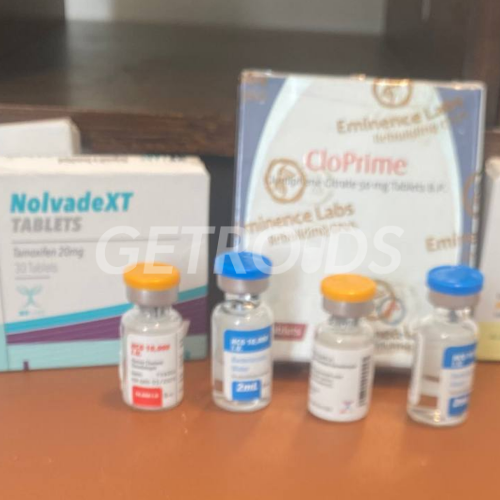



Buy Growth Hormone in USA – Domestic Genotropin & Gentropin for Sale
Buy – Compare – Examine Growth Hormone Domestic for USA
Introduction
In recent years, growth hormone (GH), especially recombinant human growth hormone (rhGH, commonly somatropin), has gained popularity beyond its clinical use, entering the world of bodybuilding and fitness. Athletes and bodybuilders often claim benefits like increased lean mass, reduced body fat, and improved recovery. However, use outside medical indications carries risks, legal concerns, and complicated pharmacology. This article explores why bodybuilders use GH, how it’s often combined, what side effects emerge, and what to watch for in sourcing (e.g. from sites like getroids1.net) — with a focus on Pfizer Genotropin® 36 IU vs Gentropin 210 IU product specifications and pricing.
Why Do Bodybuilders & Fitness Enthusiasts Use Growth Hormone?
Fat loss (lipolysis)
GH stimulates lipolysis (breakdown of fat) by increasing hormone-sensitive lipase activity in adipose tissue and reducing insulin sensitivity in fat cells. This means more fat mobilization and potentially improved “cutting” phases.Lean mass preservation & indirect anabolic effects
GH promotes the production of IGF-1 (insulin-like growth factor 1) in the liver and peripheral tissues, which acts in an anabolic manner on muscle. While GH itself is not a strong direct muscle builder (unlike testosterone or anabolic steroids), it helps preserve lean tissue during caloric deficits.Improved recovery & injury repair
Some users believe GH accelerates soft tissue repair, collagen synthesis, tendon healing, and recovery from microtrauma.Sleep quality, well-being, and anti-aging “feel”
Anecdotal reports highlight improved sleep, energy, and skin / joint health; some see GH as an anti-aging or restorative hormone.Synergy with anabolic steroids
Many bodybuilders see GH as complementary to anabolics — it doesn’t replace steroids but potentially enhances their effects.
Important caveat: Many claims are based on anecdotal reports, small studies, or extrapolations from clinical GH therapy. The risk vs benefit in healthy, non-deficient individuals remains controversial.
Typical Clinical Use & Dosing of Growth Hormone (for reference)
To better understand how bodybuilders deviate from clinical use, here’s a brief summary:
Genotropin prescribing information indicates adult GH-deficient patients typically start at 0.45–0.90 IU/day (≈ 0.15–0.30 mg/day), with maintenance rarely exceeding ~4 IU/day (≈ 1.33 mg) depending on clinical response.
GH dosing is often split into 6–7 subcutaneous injections per week (i.e. daily or nearly daily) rather than a single injection.
The Genotropin formulation contains somatropin (recombinant GH) in lyophilized powder plus diluent, and excipients like metacresol, mannitol, glycine.
Bodybuilders often exceed these doses (sometimes 2–10× clinical replacement), which elevates risk dramatically.
Comparison: Pfizer Genotropin® 36 IU vs Gentropin® 210 IU (Somatropin)
Below is a comparison table based on available data and reported vendor claims. Use with caution; many such vendors are not FDA-approved sources, and authenticity is questionable.
| Feature | Pfizer Genotropin® 36 IU (12 mg) | Gentropin® 210 IU (Somatropin) |
|---|---|---|
| Active ingredient | Somatropin (recombinant human GH) | Somatropin (recombinant human GH) |
| Strength / IU | 36 IU (12 mg) per pen / cartridge | 210 IU (vendor claim) — much higher / “stacked” / multi-vial dosing |
| Formulation & excipients | Lyophilized powder + diluent; excipients include metacresol, mannitol, glycine | Likely same base formula, but vendor packaging and stability vary (less reliable) |
| Clinical backing & regulatory approval | Approved brand, known dosing, safety profiles | Typically unapproved / underground; risk of counterfeit or impurity |
| I | ||
| Typical user dose multiplier | Bodybuilders might use 1–4× or more above clinical doses | Because 210 IU is large, users might split across weeks; the risk of misuse is higher |
| Storage, handling, stability | Must be refrigerated, handled under sterile conditions, reconstituted correctly | Same requirements, but underground sources may cut corners |
Interpretation: Genotropin 36 IU is a known, legitimate pharmaceutical with approved indications and documented safety/dosing in clinical settings. Gentropin 210 IU is more of a “bulk” / high-dose vendor offering, lacking transparency and regulatory oversight. The risk of counterfeit, degradation, or contamination is much greater with such products.
How Is Growth Hormone Typically Combined (“Stacked”) in Bodybuilding?
Because GH is not strongly anabolic on its own, bodybuilders often combine it with other compounds. Some common combinations and rationales:
Anabolic steroids (e.g. testosterone, Nandrolone, Trenbolone, etc.)
GH can help mitigate catabolic stress and preserve lean tissue while steroids provide stronger muscle growth stimulus.
It may reduce some of the side effects associated with steroids (e.g. joint pain), though evidence is limited.
Insulin / insulin-like growth factor (IGF-1) peptides
Some advanced users combine GH with insulin or IGF analogs aiming at synergistic effects on nutrient uptake. This is very high-risk.
SARMs / peptides / other endocrine modulators
Combinations with peptides (e.g. IGF-1 LR3, CJC-1295) are common in advanced protocols, though scientific foundation is weak.
Anti-estrogens / liver support / metabolic drugs
Because many users also run anabolic steroids, they often stack anti-estrogen (e.g. aromatase inhibitors) or hepatoprotective compounds (e.g. NAC, liver support) in the regimen.
Diet, training, rest as essential “co-factors”
Without tight nutrition and recovery, GH benefits are minimal. Many gains come from optimizing protein, sleep, training volume, and caloric balance.
Important note: The above combinations escalate risk — especially with insulin or potent anabolic steroids — and are not medically recommended.
Side Effects, Risks & Warnings
When GH is used above physiological replacement levels (especially in otherwise healthy individuals), side effects increase. Some known and theoretical risks:
| Side Effect / Risk | Description | Comments / Evidence |
|---|---|---|
| Edema / fluid retention | Swelling (hands, feet, ankles) | Common early side effect; sometimes transient |
| Joint, muscle pain, stiffness | Arthralgias, myalgias | Reported in clinical GH therapy |
| Carpal tunnel syndrome / neuropathy | Numbness, tingling in hands | Seen even at therapeutic doses |
| Glucose intolerance / insulin resistance / diabetes | GH antagonizes insulin; chronic high GH may provoke hyperglycemia | Must monitor blood sugar, especially in predisposed individuals |
| Increased intracranial pressure (ICP) | Headache, vision changes, papilledema | Rare but serious — GH therapy has documented cases in medical use |
| Potential tumor growth / neoplasia risk | Because GH/IGF-1 can stimulate cell proliferation, there is a theoretical risk of growth in existing tumors | Contraindicated in active malignancy, prior brain tumor, or proliferative disease states |
| Carcinogenesis? | Long-term high-dose GH may increase risk of certain cancers | Not proven but biologically plausible |
| Hormonal imbalance / endocrine feedback suppression | GH excess may suppress endogenous GH axis; effects on thyroid, cortisol, sex hormones | Need lab monitoring |
| Injection site reactions, lipoatrophy | Redness, soreness, local tissue issues | As with most injectables |
| Other | Headaches, visual disturbances, scoliosis progression (in children), pancreatitis (rare) | Documented in safety profiles of GH use |
Because bodybuilders often exceed clinical doses by large margins, these risks are magnified. Moreover, unsupervised sourcing further raises dangers of contamination, incorrect dosing, or counterfeit compounds.
Summary & Recommendations
Growth hormone (somatropin) is used by bodybuilders for fat reduction, recovery enhancement, and lean mass preservation, though its direct anabolic impact in healthy users is limited.
It is often stacked with anabolic agents, peptides, or metabolic modulators — increasing both potential benefit and risk.
Side effects escalate with supraphysiologic dosing: edema, insulin resistance, neuropathy, tumor risk, hormonal disruptions, intracranial pressure, etc.
Among GH offerings, Pfizer’s Genotropin 36 IU remains a clinically licensed, regulated brand with known dosing and safety data.
Pricing: Genotropin 36 IU 350$ and Gentropin 210 iu 400$
Use extreme caution with off-label or underground use. Always evaluate legality, authenticity, health risks, and the necessity of medical oversight.
Customer Reviews
Discover real user experiences and explore our products.

Adhiv Vegas
"They sent 3 peptide products as a gift with my ..."
Muresan Bogdan
"Thank you very much for the quality service, fast delivery, ..."
Jason Kretin
"thanks for the successful delivery. all orders received. and you ..."
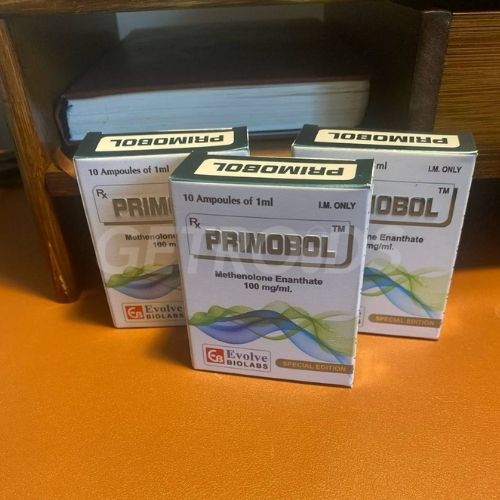
Chris Hoylman
"Leave it to these guys to deliver steroids like its ..."
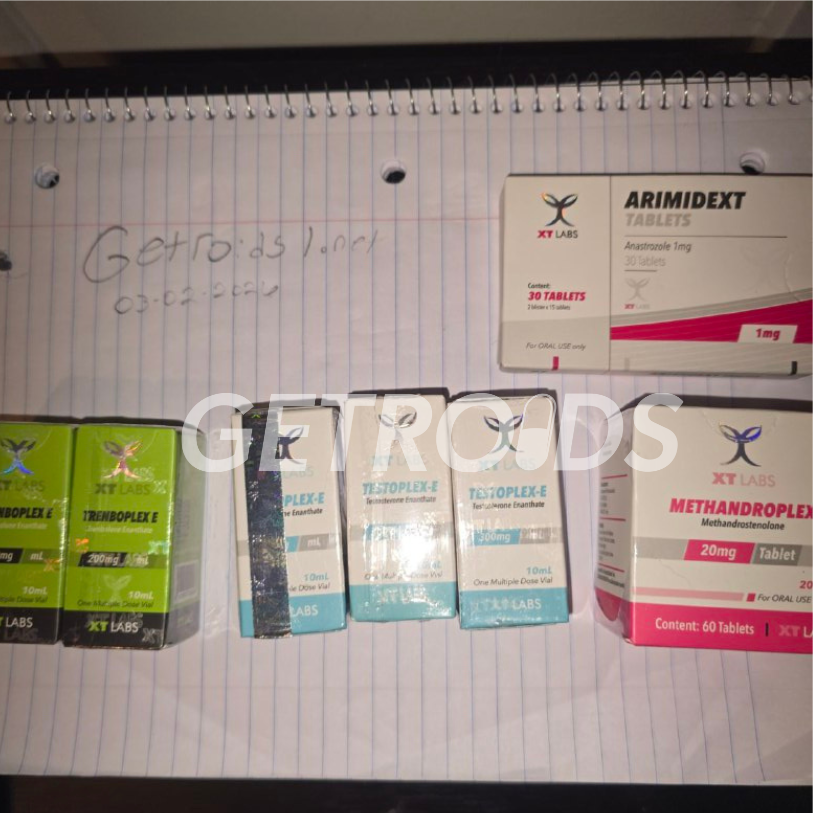
Cristhian Gironas
"Thank you guys for fast shipping and original gears! "
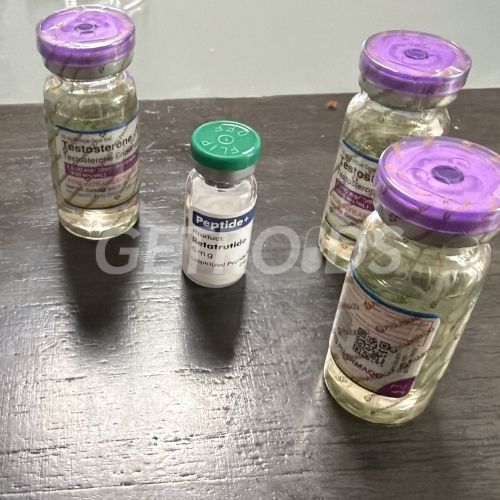
Dakota Vandervliet
"Super fast delivery thank you very very much getroids! "
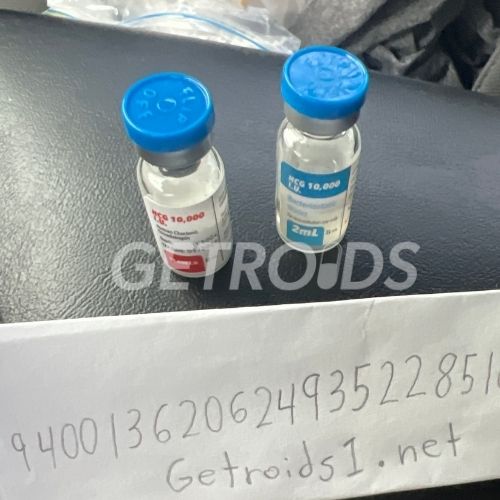
David Prickett
"I received my Xt Labs Primobolan without any issues. However, ..."
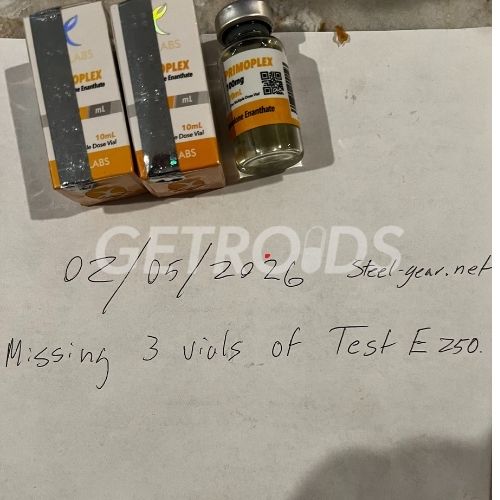
BRIAN WHITE
"Thank you for the original quality products and your close ..."
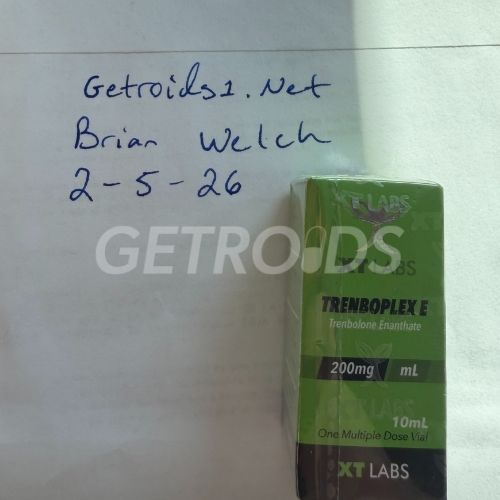
George Ibrahim
"My order was delivered overseas in 17-18 days. The products ..."
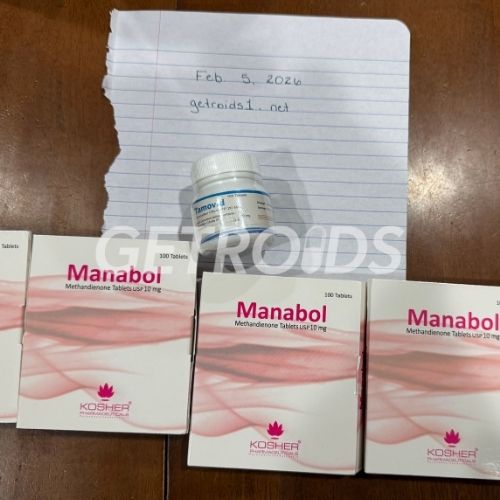
Justin Bognar
"I’m about halfway through my first kit of this stuff ..."
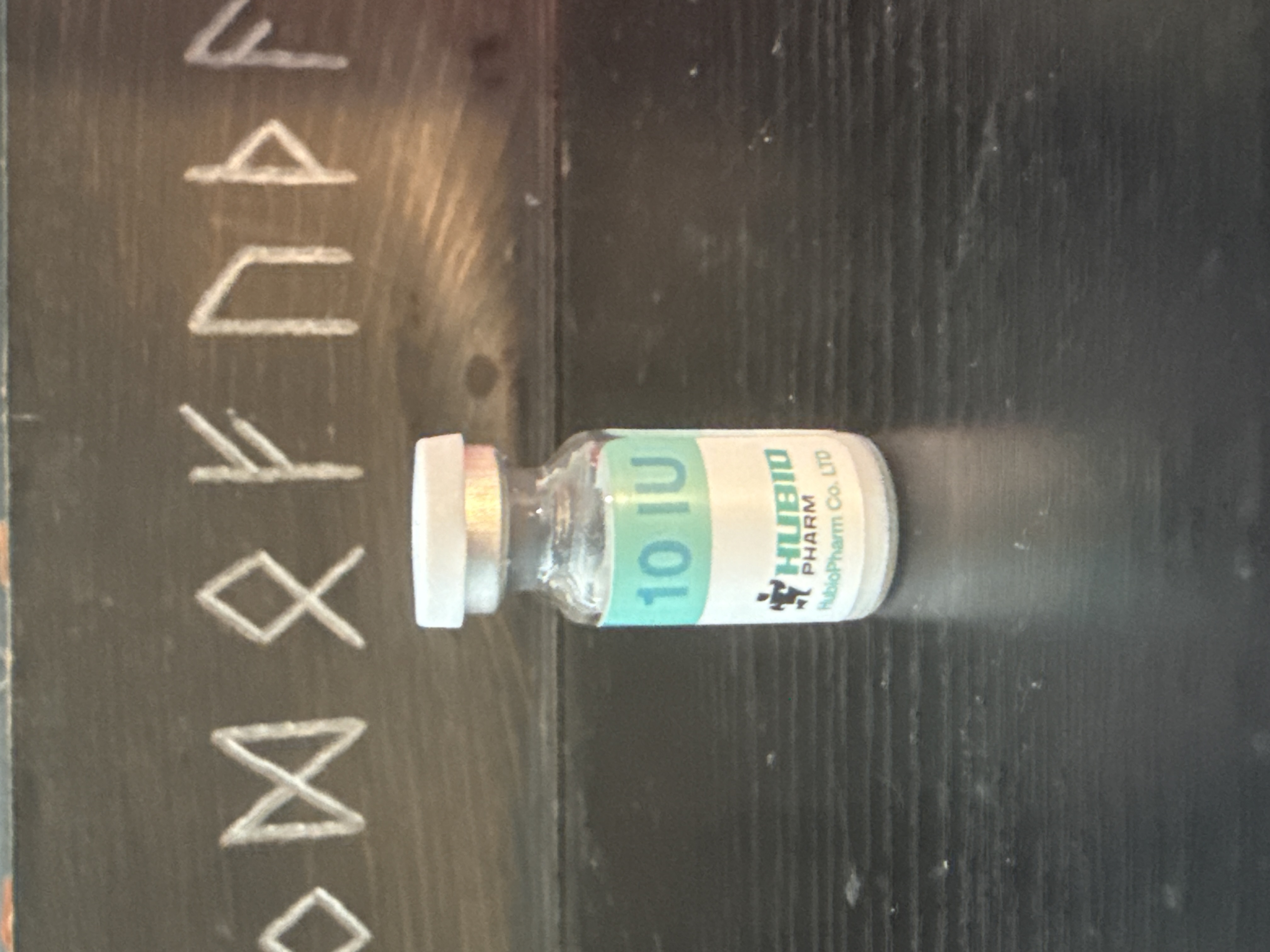
Noah Beam
"I received my order quickly and reliably, as always. You're ..."
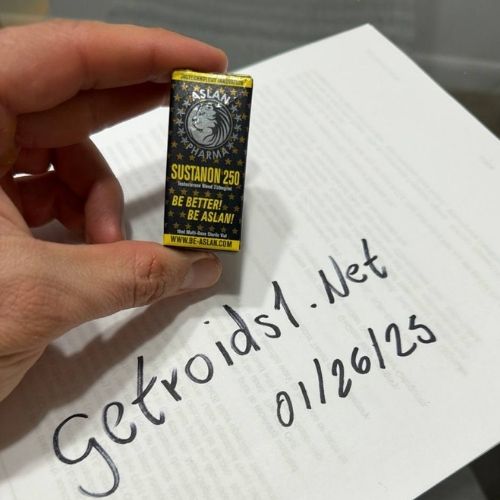
Agata Montalbano
"Guys, you are crazy. The products are great. Fast and ..."
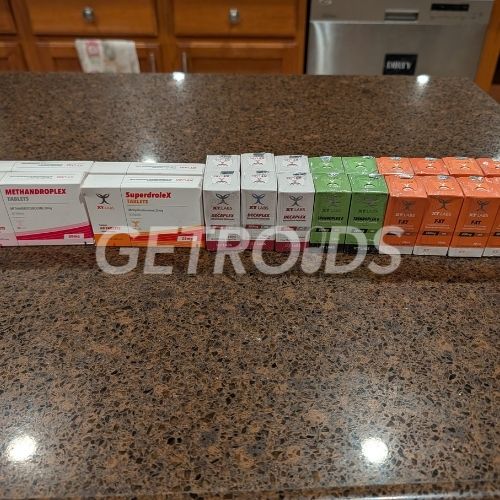
Christopher Eaton
"Reeived my products in 8 days. It was international shipment ..."
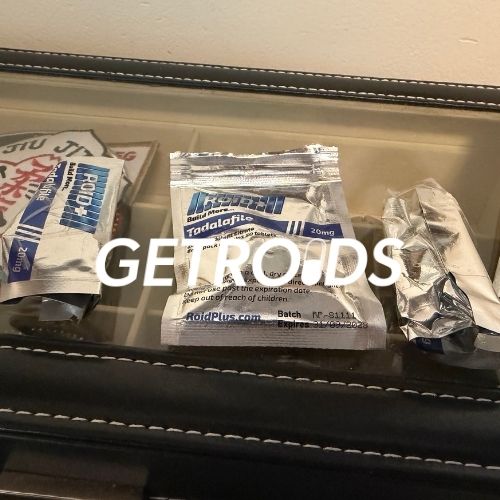
Adam Marques
"Omg. Your source delivered me in 2 days after ..."
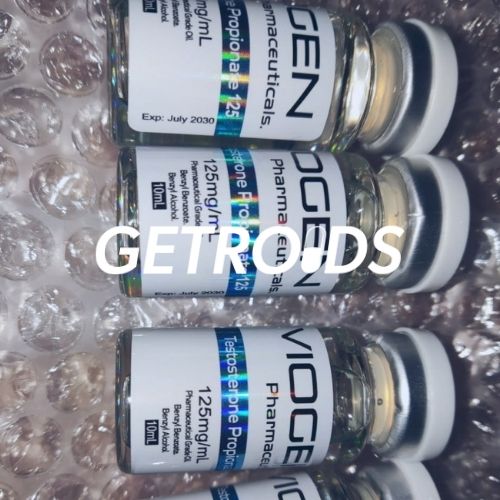
Bryan Crowton
"GETROIDS customer service is excellent, quick response times. Quickest delivery ..."
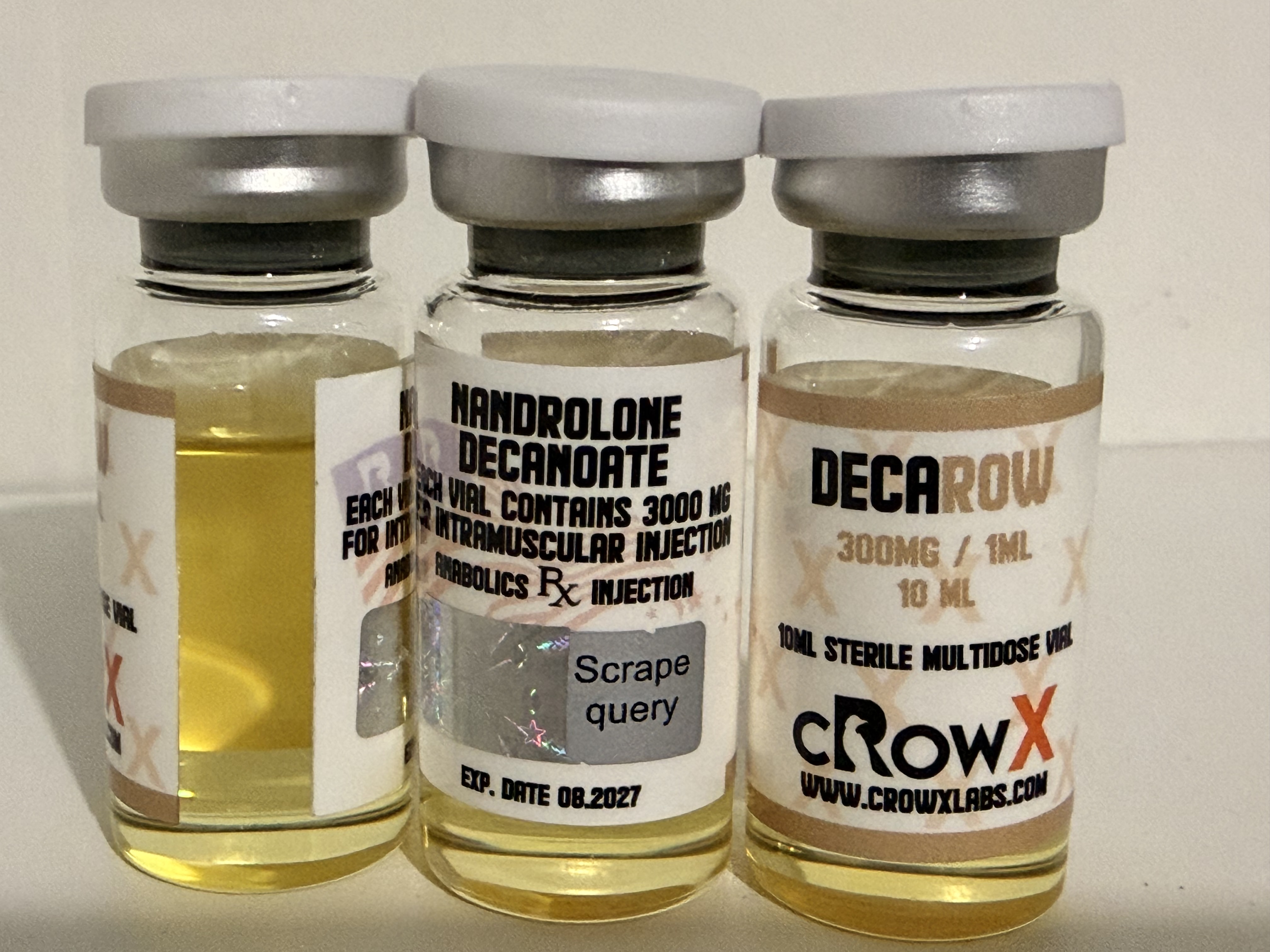
Aaron Sikes
"The products were delivered unexpectedly fast. I confirmed that you ..."
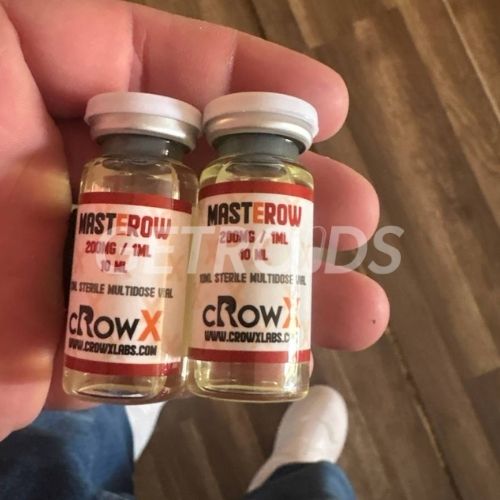
Adrian Golde
"The product is high-quality and authentic. I can say everything ..."
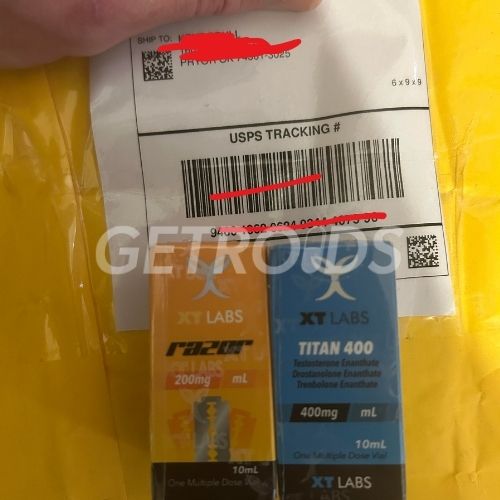
Daniel Martinez
"Delivery was very very fast. Impressed .. Product works very ..."
Jonathon Stokes
"Delivery took only 4 days. They told me that when ..."
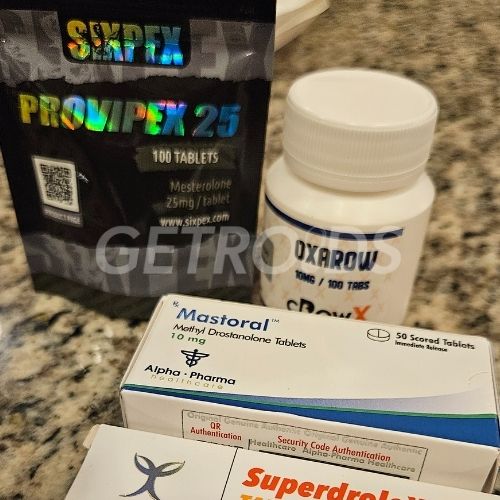
Yancy Marte
"I've been shopping from this site for a long time. ..."
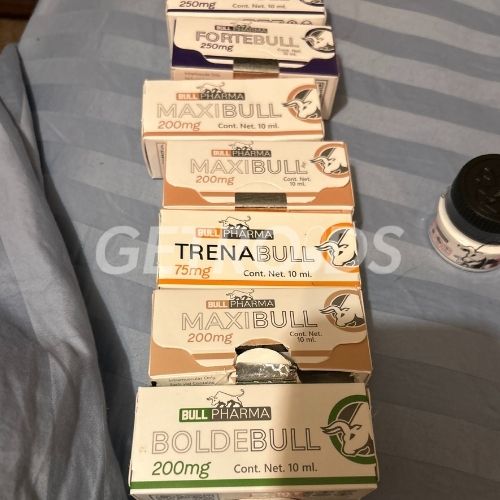
Yitzhak David
"Even though the delivery time for US to US shipment ..."
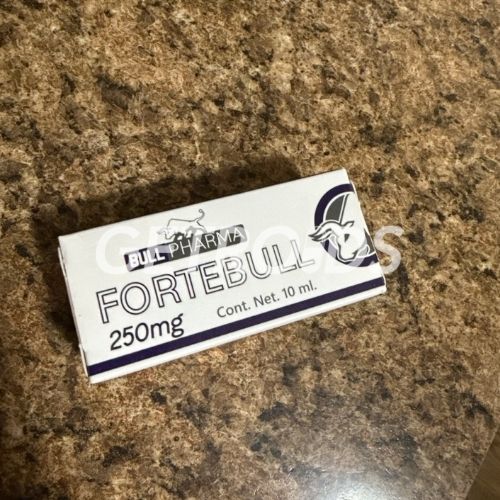
william walker
"received my order in 6 days us to us. thanks ..."
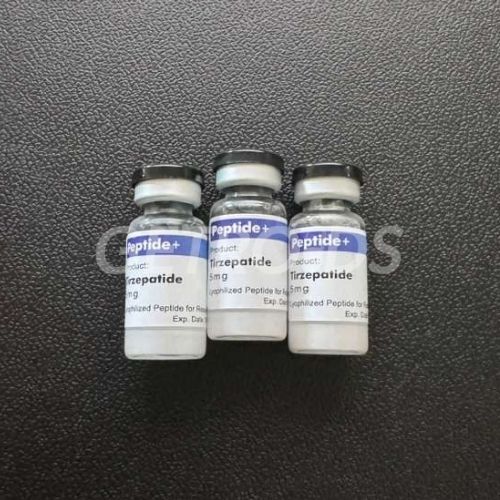
Chris Xenios
"Half way through my cycle I was using pivotal labs ..."
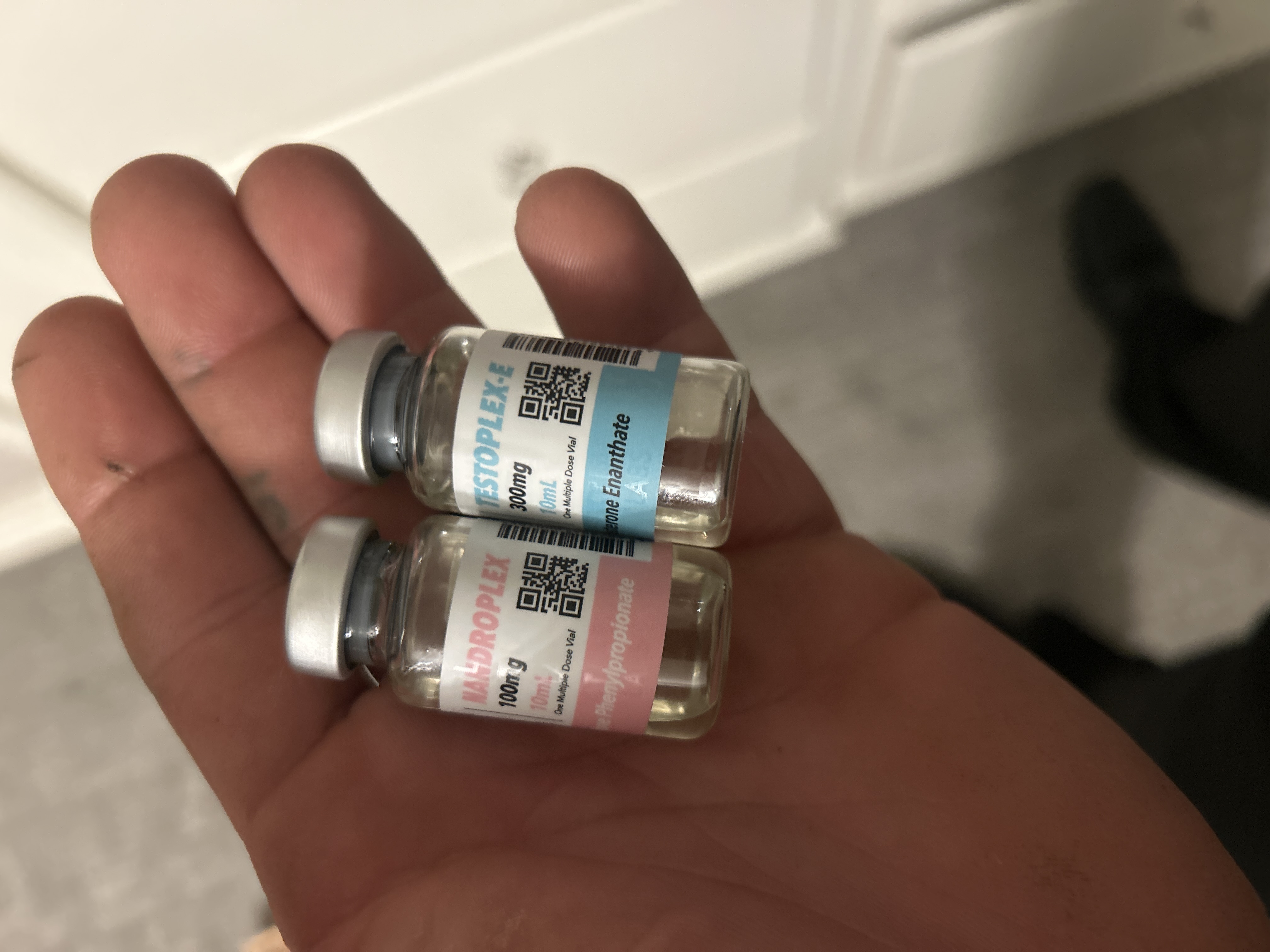
Bob Wijntjes
"It was delivered very quickly. Thank you very much, Getroids ..."
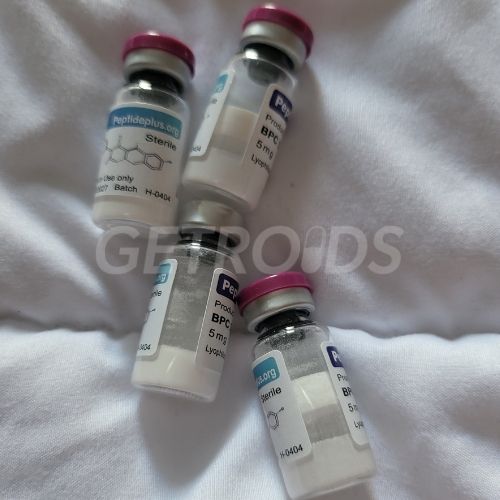
Clark Hoshall
"My package arrived very quickly via UPS, just as they ..."
Josef Gyula Nemet
"To be honest, the delivery took 4-5 days longer than ..."
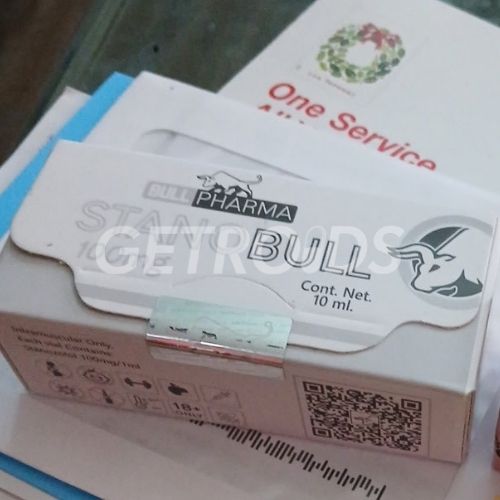
Edwin Davis
"My order arrived in 8 days. I didn't experience any ..."
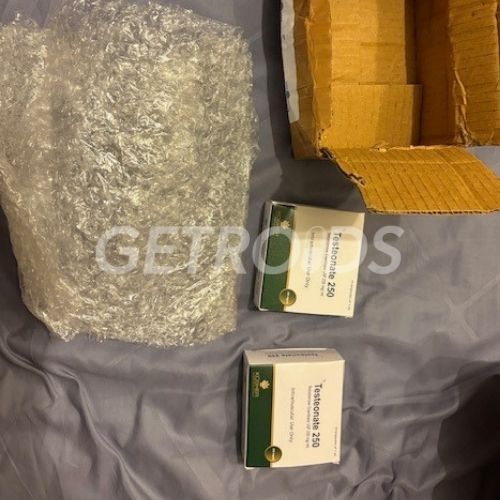
Adrienne Westmoreland
"I really liked these guys. One of the products was ..."
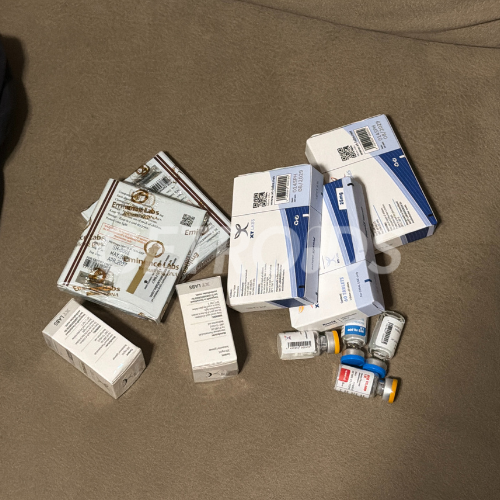
Derlanio Prazer
"Received my order without problem. Thank you for good service. "
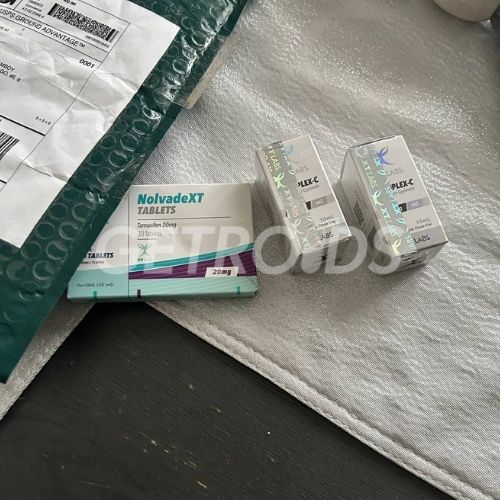
Ross Pitblado
"big thank you. i got my delivery exactly as ordered."