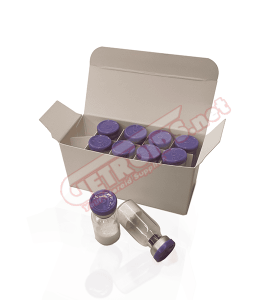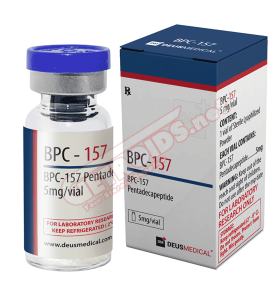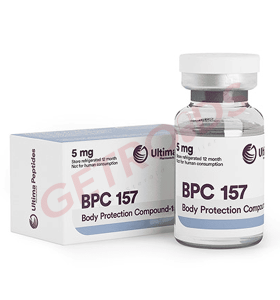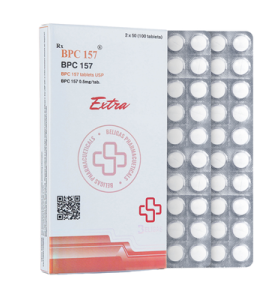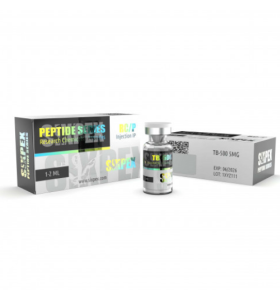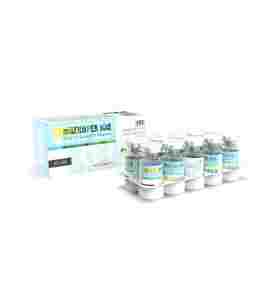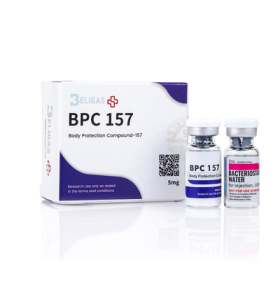



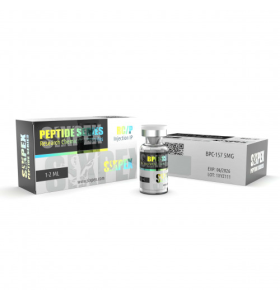
BPC-157 Sixpex USA
🔥 20% EXTRA DISCOUNT FOR SIXPEX USA🔥
 Ask us anything on Telegram!
 - Brand: Sixpex USA
Shipping Details
Your order will be delivered via USPS trackable service within 5-6 business days after payment processing.
More Information
| Product Features | |
| CLASSIFICATION | PEPTIDE HORMONE |
| DOSAGE | 1-10 MCG/KG |
| ACNE | NO |
| WATER RETENTION | NO |
| HBR | NO |
| HEPATOTOXICITY | NO |
| AROMATIZATION | NO |
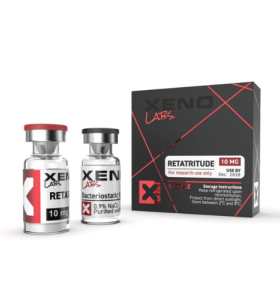
| MANUFACTURER | Xeno Labs |
Shipping
$35 flat rate
Payment Methods
Crypto, Venmo, Zelle, Credit Card, WU
Secure Shopping
Your data is protected with the highest security standards.
⚠️ WARNING: Potential Risks of Anabolic Steroids
Anabolic steroids can have significant effects on the body and should only be used under proper guidance. Misuse or unsupervised use can lead to health complications. These may include hormonal imbalances, liver strain, cardiovascular issues, psychological effects, and more.
If you choose to use anabolic steroids, it is essential to do so responsibly and only obtain them from trusted, verified sources.
BPC-157 Sixpex USA
Source: BPC-157 (Sixpex USA)
Active Component: Stable Gastric Pentadecapeptide (15 amino acid sequence)
What is BPC-157?
BPC-157, or "Body Protect Compound," is a naturally occurring peptide found in trace amounts within human gastric juice, where its function is to protect and heal the intestinal tract. However, when synthesized and administered in a concentrated form, BPC-157 demonstrates extremely potent biological healing activity throughout the entire body.
The peptide is known as a stable gastric pentadecapeptide because its fifteen amino acid sequence remains structurally intact and effective even in harsh human gastric juice.
Broad Spectrum Healing and Regeneration
Extensive research, largely conducted since 1991, has shown BPC-157 to be remarkably effective in the repair and regeneration of numerous tissues with a favorable side effect profile.
Musculoskeletal and Connective Tissue Repair
Tendon and Ligament Healing: Studies demonstrate its ability to promote the healing of tendons (e.g., Achilles tears) and ligaments (e.g., medial collateral ligaments) by stimulating tendon growth, cell survival, and cell migration. It effectively promotes healing from tendon to bone.
Muscle Repair: It has been shown to reverse damage and accelerate healing in muscle tissue, even when compromised by systemic factors like corticosteroid use (demonstrated in rodent models of crushed gastrocnemius muscles).
Bone Healing: BPC-157 promotes bone healing, even in cases of significant segmental bone defects.
Gastrointestinal and Anti-Inflammatory Effects
GI Tract Protection: It provides powerful ulcer-preventive effects and anabolic healing throughout both the upper and lower gastrointestinal (GI) tract.
IBD and Painkiller Damage: It rapidly repairs damage from inflammatory bowel disease (IBD) and successfully eliminates the harmful effects of common painkillers on the GI tract.
Wound Healing: It significantly accelerates general wound healing. Through interaction with the Nitric Oxide (NO) system, it promotes angiogenesis (the formation of new blood vessels), aiding tissue preservation even in compromised conditions.
Dosage and Administration (Anecdotal Data)
While BPC-157 research supports systematic effectiveness, standardized human clinical doses are still being established. Dosages based on research and anecdotal experience are typically:
General Systemic Dosage: Research suggests a range of 1–10 mcg per kilogram of body weight once per day.
Common User Dosing: Anecdotal reports suggest that a total daily dose between 500 mcg and 700 mcg, often split into two injections per day (e.g., 250–350 mcg twice daily), is most effective for promoting systemic healing.
Status and Important Disclaimers
BPC-157’s status as a naturally occurring peptide leads to specific challenges and considerations:
Patent Status and Research Limitation
Because BPC-157 is a natural gastric juice peptide, it cannot be patented. This lack of patent protection means large pharmaceutical companies have no financial incentive to fund the extensive, long-term human studies required for FDA drug approval. Consequently, the majority of existing research comes from a limited group of earlier studies.
Regulatory and Sports Status
FDA Approval: BPC-157 is not currently approved by the FDA as a drug for human therapeutic use.
WADA/USADA Status: While specific "peptide hormones, growth factors, related substances, and mimetics" are banned by organizations like USADA and WADA, BPC-157 is not currently listed as an illegal compound. Users should, however, remain vigilant as regulatory lists are subject to change.
Human Data: Despite its strong track record in animal models, there have been no long-term human studies to date. Users should be aware that the safety profile is extrapolated largely from in vitro and in vivo animal research.