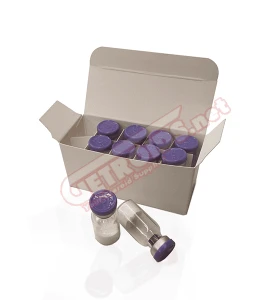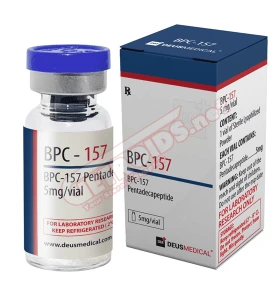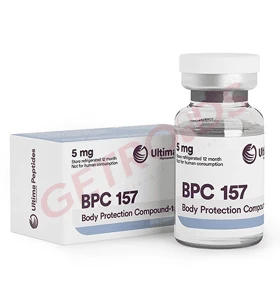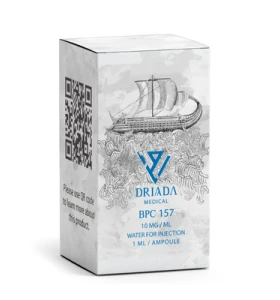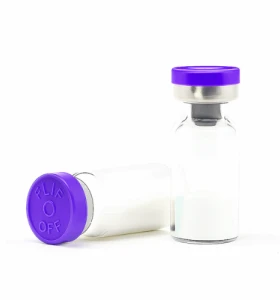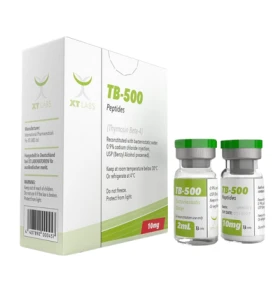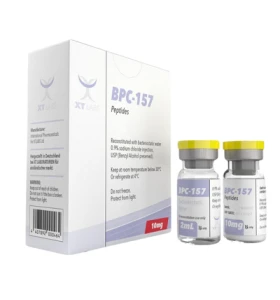

BPC-157 10 XT Labs USA
🔥 30% EXTRA DISCOUNT FOR XT LABS 🔥
After adding the products to your cart, proceed to the 'shopping cart' section.
You can apply your discount by entering your coupon code in the 'Use Coupon Code' field.

- Brand: XT Labs
Shipping Details
Your order will be delivered via USPS trackable service within 5-6 business days after payment processing.
More Information
| Product Features | |
| CLASSIFICATION | PEPTIDE HORMONE |
| DOSAGE | 1-10 MCG/KG |
| ACNE | NO |
| WATER RETENTION | NO |
| HBR | NO |
| HEPATOTOXICITY | NO |
| AROMATIZATION | NO |
| MANUFACTURER | XT Labs |
Shipping
$35 flat rate
Payment Methods
Crypto, Venmo, Zelle, Credit Card, WU, MG
Secure Shopping
Your data is protected with the highest security standards.
⚠️ WARNING: Potential Risks of Anabolic Steroids
Anabolic steroids can have significant effects on the body and should only be used under proper guidance. Misuse or unsupervised use can lead to health complications. These may include hormonal imbalances, liver strain, cardiovascular issues, psychological effects, and more.
If you choose to use anabolic steroids, it is essential to do so responsibly and only obtain them from trusted, verified sources.
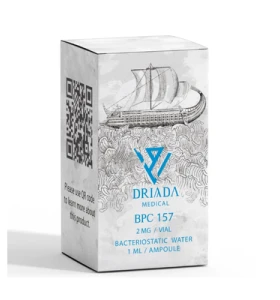
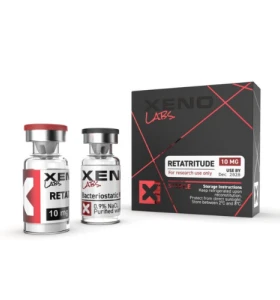
BPC-157 10mg – Advanced Healing Peptide | 1 Vial Peptide + 1 Vial Sterile Water
Active Ingredient: BPC-157 (Body Protection Compound-157)
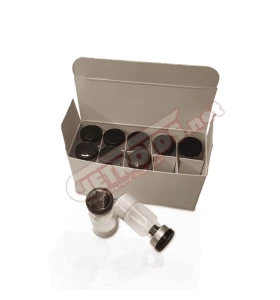
Pack: 1 Vial x 10mg + 1 Vial Sterile Water
Form: Injectable / Reconstitutable Peptide Solution
Overview
BPC-157 (Body Protection Compound-157) is a synthetic peptide consisting of 15 amino acids that was originally derived from a naturally occurring compound found in human gastric juice. It is often referred to as the “stable gastric pentadecapeptide” because it remains active and stable in the digestive environment and exhibits a wide range of regenerative and protective properties throughout the body.
First identified in the early 1990s, BPC-157 has been widely studied in laboratory and animal models for its ability to accelerate tissue repair, enhance recovery, and reduce inflammation. Though it has not been approved for medical use in humans, it has become one of the most recognized research peptides for healing and recovery applications.
Amino Acid Structure
BPC-157 is composed of a 15-amino-acid sequence derived from a protective protein found in gastric secretions:
L-Valine – Glycyl-L-alpha-glutamyl – L-prolyl – L-prolyl – L-prolyl – L-lysyl – L-prolyl – L-alanyl – L-alpha-aspartyl – L-alpha-aspartyl – L-alanyl – Glycyl – L-leucine – L-valine.
This peptide sequence contributes to its biological stability, healing capacity, and anti-inflammatory properties, making it one of the most versatile regenerative peptides in scientific research.
How BPC-157 Works
BPC-157 functions by stimulating several key biological systems involved in tissue regeneration, inflammation control, and vascular health.
Mechanisms of Action:
Promotes tendon and ligament healing: Enhances fibroblast activity, collagen formation, and blood vessel regeneration.
Accelerates muscle and bone repair: Increases growth factor expression and cellular recovery following injury.
Supports gastrointestinal protection: Helps repair intestinal damage and ulcers by maintaining epithelial integrity.
Counteracts the harmful effects of NSAIDs (painkillers) on the stomach and gut lining.
Stimulates angiogenesis: Encourages new blood vessel formation for faster wound and tissue healing.
Interacts with the Nitric Oxide (NO) pathway: Enhances circulation and oxygenation at damaged sites.
In studies, BPC-157 has shown healing activity in tendons, ligaments, bones, skin, and intestinal tissues — even under conditions of extreme damage or inflammation.
Benefits of BPC-157
Accelerates muscle, tendon, and ligament recovery
Promotes faster bone healing
Supports gut health and intestinal repair
Reduces inflammation and oxidative stress
Protects the liver and stomach from chemical or drug-induced damage
Enhances vascularization and tissue regeneration
May improve joint stability and pain recovery after injury
These effects have made BPC-157 a popular peptide among researchers exploring sports injury recovery, chronic inflammation, and post-surgical healing models.
Dosage and Administration (for Research Use Only)
In preclinical studies, BPC-157 has demonstrated effectiveness at doses ranging between 1–10 mcg per kilogram of body weight daily.
Typical Dosing Range (Experimental Use):
Average daily dose: 200–800 mcg
Alternative regimen: 250–350 mcg twice daily (500–700 mcg total)
Administration Method:
Can be reconstituted with sterile bacteriostatic water.
Typically administered subcutaneously (under the skin) near the site of injury.
Injection should be performed using sterile, aseptic technique.
Note: These values are based on animal and in vitro research. There is no officially approved human dosing protocol.
Research Findings
Since 1991, numerous in vivo (animal) and in vitro (laboratory) studies have confirmed BPC-157’s regenerative potential.
Some of the most notable findings include:
Tendon-to-bone repair: Promotes collagen formation and speeds recovery in tendon rupture models.
Muscle regeneration: Reverses corticosteroid-induced muscle damage in rodent studies.
Gut protection: Repairs intestinal and gastric lesions associated with inflammatory bowel disease (IBD).
Bone healing: Enhances recovery from bone fractures and defects.
Vascular repair: Restores endothelial integrity and stimulates angiogenesis.
Because BPC-157 is naturally derived, no significant toxic or adverse effects have been observed in research trials to date.
Safety and Legality
Side Effects: None documented in scientific literature at standard research doses.
Approval: BPC-157 is not approved by the FDA for human use.
Legality: It is not currently listed as a prohibited substance by WADA or USADA.
Regulatory Status: Sold strictly for research purposes and not intended for human consumption.
Summary
BPC-157 10mg Peptide represents a significant advancement in biological healing research. As a naturally occurring gastric peptide, it exhibits extraordinary regenerative potential across muscle, tendon, ligament, and gut tissues while showing a strong safety profile in preclinical studies.
Its broad healing properties, stability, and rapid recovery effects make it a focus of ongoing scientific exploration in the fields of sports medicine, tissue engineering, and regenerative biology.

Ask us anything on Telegram!